Academic work
Research
Published thermal systems research, patents, and ML experiments connected to the problems I study.
My PhD work centers on flow boiling instabilities and how to control them. Two-phase cooling systems move heat efficiently, but the boiling process itself is unstable — flow reversal, dryout, and pressure oscillations can wreck cooling performance right when a system needs it most (electronics, EV batteries, high-energy lasers, nuclear). I work on understanding why these instabilities happen and building active flow control and ML-based approaches to keep them in check.
Publications
Peer-reviewed work on thermal systems, biomedical ML, and high-temperature experimentation.
Rapid cooling & neutron furnace systems
Other ResearchTwo-phase flow & flow boiling
PhD ResearchML for biomedical & materials systems
Other Research- ITherm 2026 Best On-Site Poster Award, IEEE (2026)
- Georgia Tech Presidential Fellowship
- George W. Woodruff School of ME Chair's Fellowship
- CRIDC Poster Competition Award, College of Engineering — $1,000 (2026)
- Georgia Tech Spark Award — $1,000 (2025)
- SEEC Student Symposium 2nd Place, GT Energy Club — $350 (2026)
- Rev. Sci. Instrum. Featured Article, AIP (2026)
- Dean's List (8/8 semesters)
- Cooling Systems and Methods for a Vacuum Furnace. US Patent Application No. 18/318,289 (Filed 2023)
- Dry Methane Reforming by Stacked Wire Dielectric Barrier Discharge Plasma and Efficient Decoking Process in Plasma-assisted Bi-Reforming. US Patent Application No. 19/008,240 (Filed 2024-12)
- Braided Wire Reactor for Plasma Decontamination. US Patent Application No. 19/008,982 (Filed 2024-12)
Research projects
ML systems and computational experiments tied to the questions I study.
My PhD research. Boiling liquid is one of the best ways to cool powerful electronics, but it comes with violent swings in pressure and temperature that make systems hard to run. I work on ways to predict and actively calm those swings so this kind of cooling can be used more widely.
 High Heat Flux Cooling
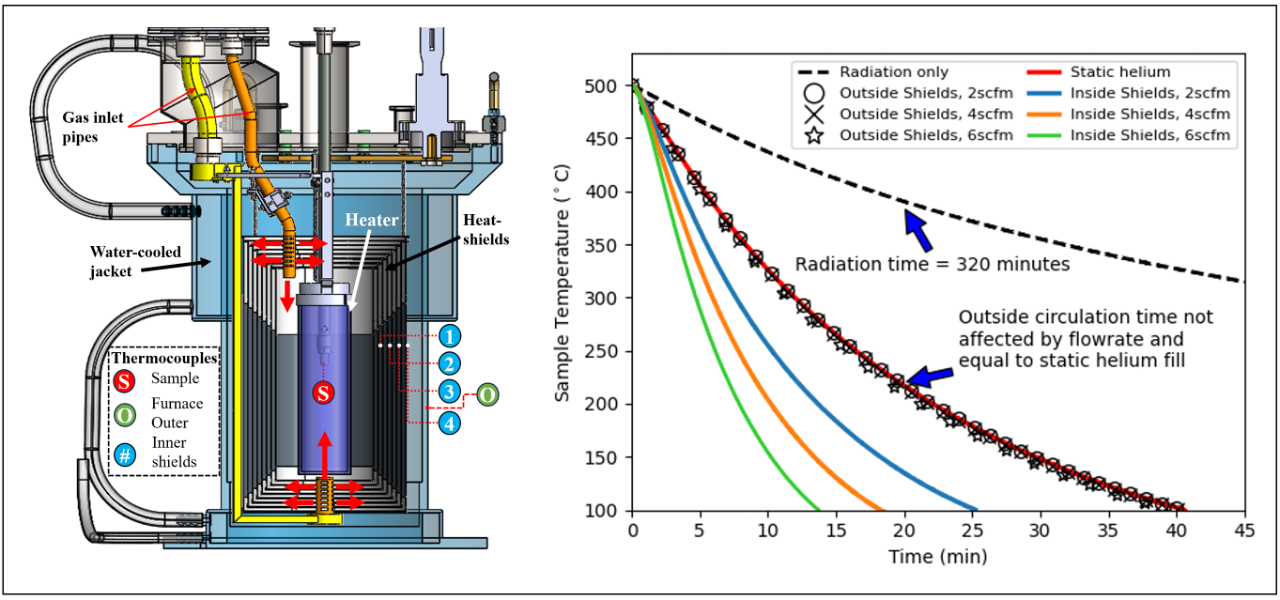
At a national neutron-scattering facility, scientists lose hours of precious beam time waiting for furnaces and freezers to cool between experiments. At Advanced Cooling Technologies, I built systems that cut those waits from hours to minutes, and published the work along the way.
 Combustion
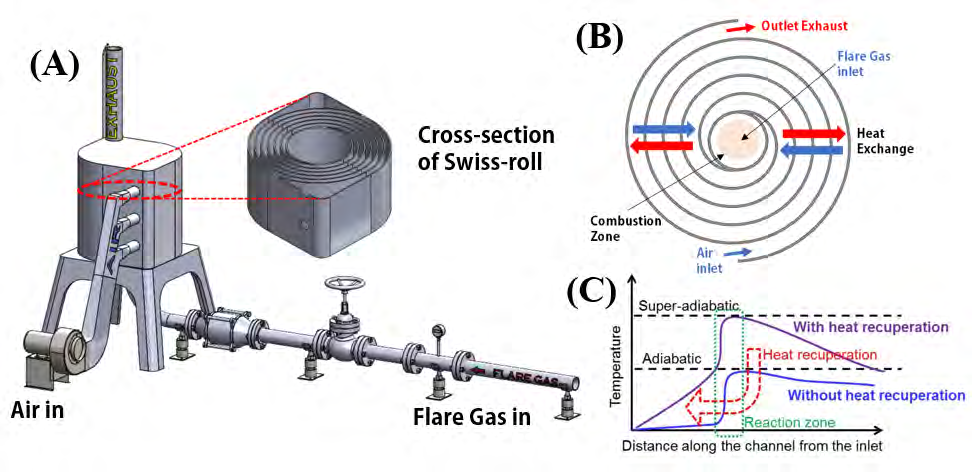
Tens of thousands of small oil-and-gas sites burn off methane, a potent greenhouse gas, through flares that often don't fully destroy it. This research developed a compact burner, based on a clever heat-recycling design, that destroys methane thoroughly while producing almost no NOx pollution.
 ML for Thermal Sciences
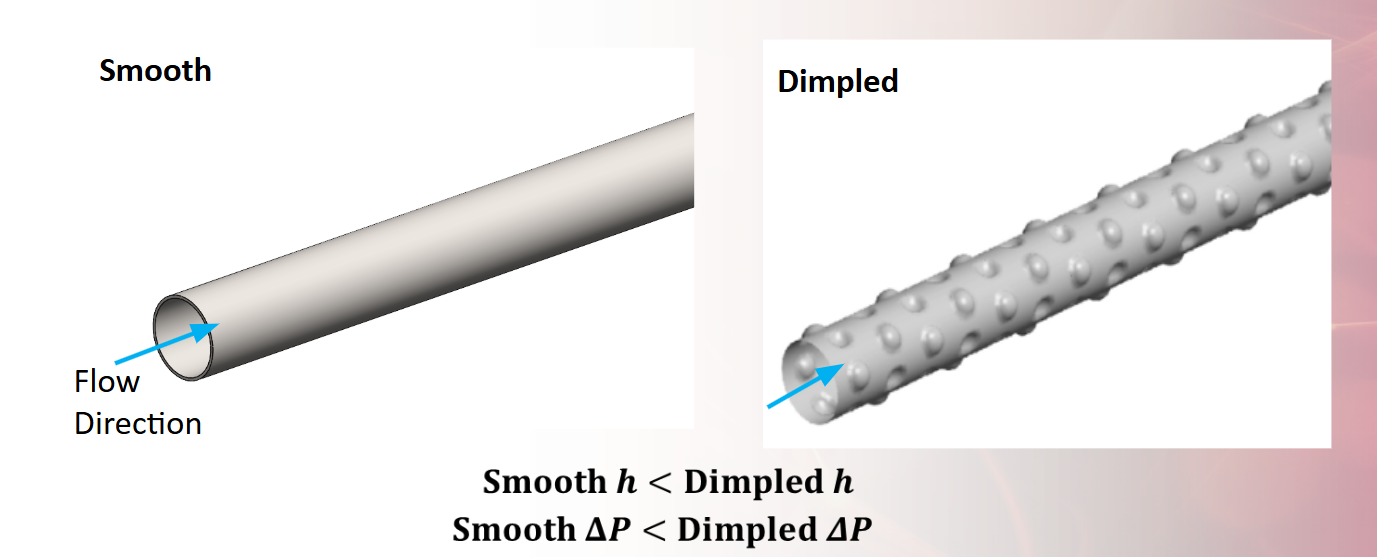
Designing cooling channels for modern chips means choosing between slow, expensive simulation and unreliable rules of thumb. This project trained a machine-learning model on simulation results so engineers could evaluate a new design in seconds instead of days.
Finding a molecule that binds to a disease target usually means testing thousands of candidates in a lab. Built for a Georgia Tech hackathon, this project uses AI to rank the most promising ones, and to say when it's not confident, so researchers don't waste time on bad leads.
 Hydrogel Scaffolds
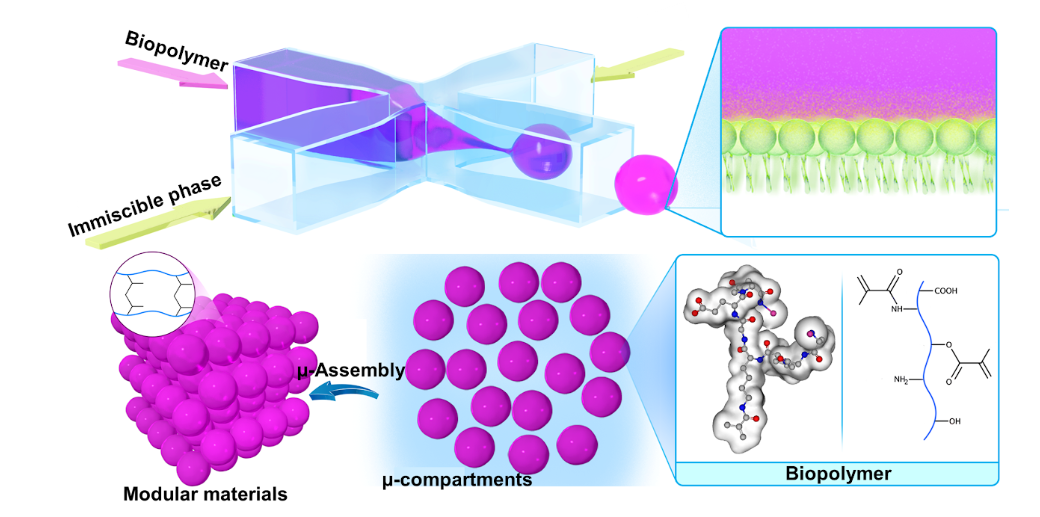
A multi-university study I contributed to at Penn State, showing that a simple change, how tightly you pack tiny gel particles together, controls how stiff a tissue scaffold is and how cells behave inside it. Useful for engineering better materials to grow tissue on.